The Psychoanalytic of Eating Lots of Eggs
Disney plans a movie centered on Gaston from Beauty and the Beast. This is the perfect encapsulation of the nascent neofascist reaction, and I can explain why.
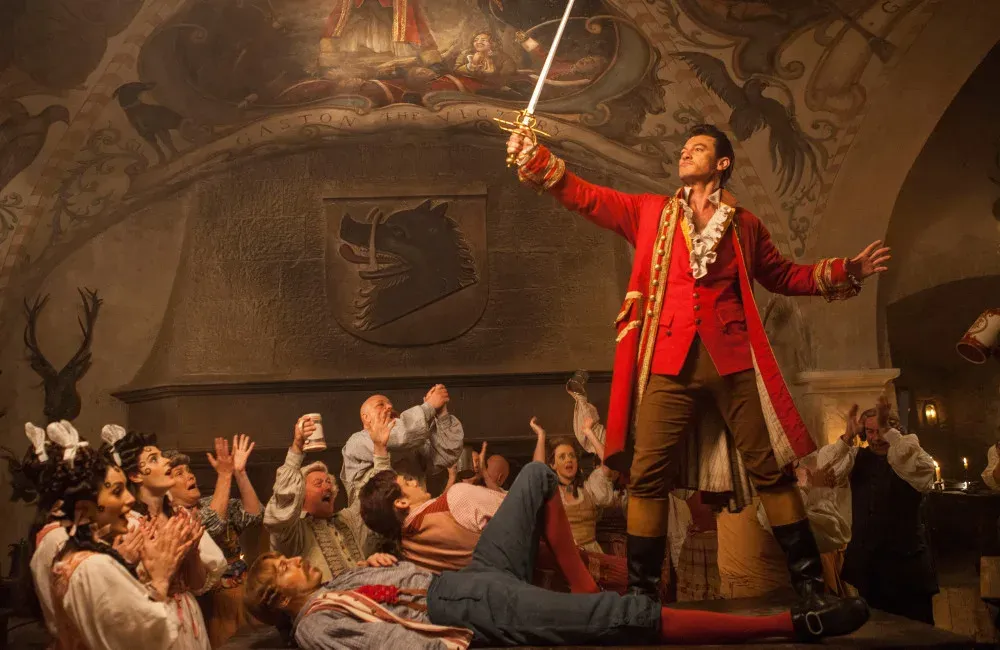
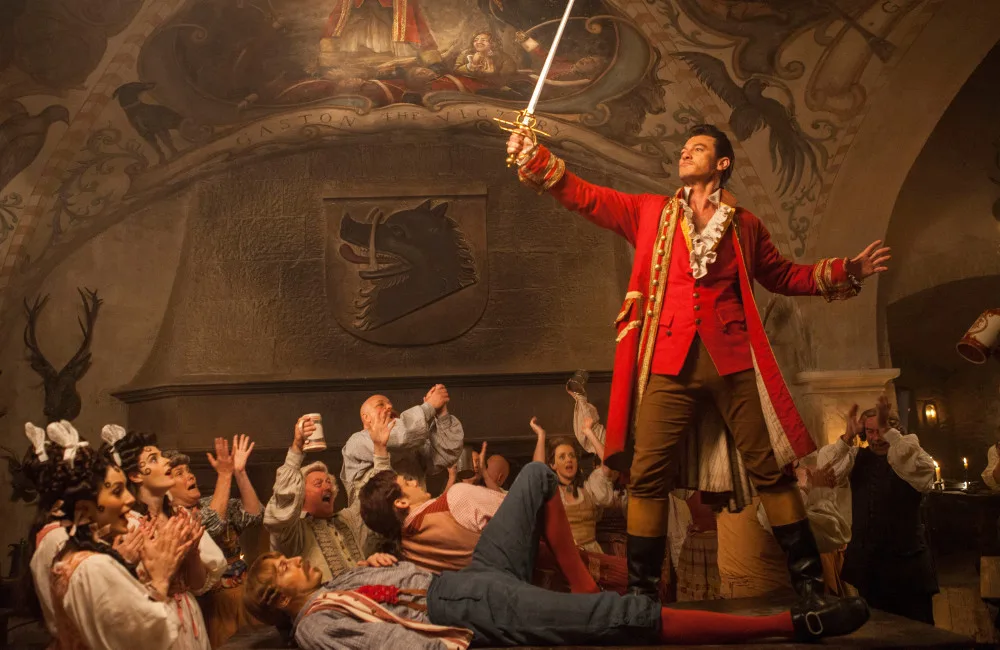
Disney recently announced a live-action origin film for Gaston, the preening villain of Beauty and the Beast—a character whose entire dramatic function is to embody toxic masculinity so transparently that even children recognize it. The film will reportedly explore his “humanity” and traumatic backstory. The impulse to rehabilitate Gaston arrives in the same cultural moment as Andrew Tate’s global reach, the “tradwife” aesthetic on TikTok, and a second Trump presidency propelled in part by anxieties about masculine status. These are not coincidences. They are symptoms.
What follows is an attempt to understand these symptoms—not through the lens of punditry, but through the accumulated theoretical work of scholars who have spent decades asking why, precisely, movements promising to restore masculine hierarchy exert such gravitational pull during moments of social transformation. My answer, I hope, offers not just diagnosis but a strange kind of positive outlook: the very intensity of the present reaction testifies to the fragility of what it defends.